

How to Char Vegetables: The Secret to Deep Flavor and Restaurant-Quality Results
There is something special about perfectly charred vegetables. That slightly blackened exterior, the smoky aroma, and the rich caramelized flavor can transform even the simplest vegetables into something unforgettable.
Many people assume charring vegetables is difficult or requires professional equipment. In reality, we can achieve excellent results at home using a grill, a cast-iron skillet, a broiler, or even an open flame. The key is understanding how charring works and learning a few simple techniques.
In this guide, we’ll explore everything we need to know about how to char vegetables, including the best vegetables for charring, different cooking methods, common mistakes to avoid, and practical tips for getting consistent results every time.
What Does It Mean to Char Vegetables?
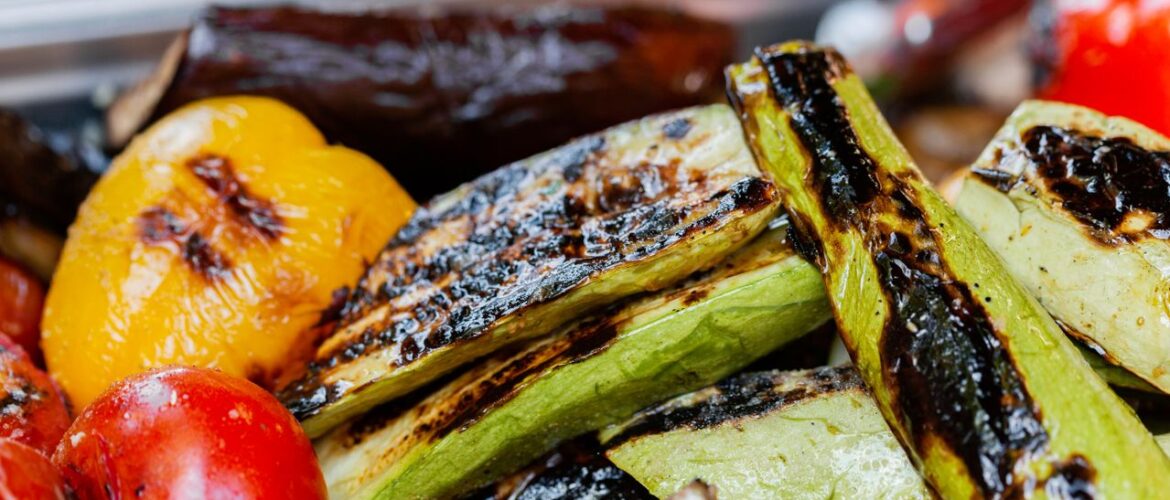
Charring is the process of cooking vegetables over high heat until parts of their surface become dark brown or black. Unlike burning, proper charring develops flavor rather than ruining it.
When vegetables are exposed to intense heat, their natural sugars begin to caramelize. At the same time, the surface develops smoky, slightly bitter notes that create a complex balance of flavors.
The result is often a vegetable that tastes sweeter, richer, and more interesting than its raw or lightly cooked version.
Good char adds flavor. Excessive burning adds bitterness.
That distinction makes all the difference.
Why Charred Vegetables Taste So Good
Several things happen during the cooking process that improve flavor.
First, moisture evaporates from the surface. This concentrates the vegetable’s natural flavors.
Second, sugars caramelize and create sweetness.
Third, high heat develops roasted and smoky notes that make vegetables taste more substantial and satisfying.
This combination is why charred vegetables are commonly featured in restaurants and modern home cooking.
Many vegetables that seem ordinary when steamed become incredibly flavorful when charred.

Best Vegetables for Charring
Not every vegetable chars equally well. Some naturally contain more sugar and develop better flavor under high heat.
Here are some of the best options:
| Vegetable | Flavor After Charring | Recommended Method |
|---|---|---|
| Bell peppers | Sweet and smoky | Grill or open flame |
| Corn | Sweet and slightly nutty | Grill |
| Broccoli | Crispy edges with deep flavor | Grill or skillet |
| Cauliflower | Rich and roasted | Oven or grill |
| Zucchini | Smoky and tender | Grill |
| Eggplant | Creamy and smoky | Grill or flame |
| Onions | Sweet and caramelized | Grill or skillet |
| Asparagus | Slightly nutty and crisp | Grill |
| Brussels sprouts | Crispy and sweet | Skillet or oven |
| Green beans | Smoky with slight crunch | Skillet |
These vegetables hold up well under high heat and develop excellent texture.
How to Char Vegetables on a Grill
The grill is one of the most popular tools for charring vegetables.
The combination of direct heat and smoke creates outstanding flavor.
Step 1: Preheat the Grill
A hot grill is essential.
Allow the grill to fully preheat before placing vegetables on the grates. Medium-high to high heat generally works best.
Step 2: Prepare the Vegetables
Wash and dry the vegetables thoroughly.
Moisture can interfere with charring because water must evaporate before browning begins.
Toss the vegetables with a small amount of oil and season lightly with salt.
Step 3: Place Over Direct Heat
Arrange the vegetables directly over the hottest section of the grill.
Avoid moving them too frequently.
Let the surface develop dark grill marks before turning.
Step 4: Rotate and Finish Cooking
Turn occasionally until the vegetables are tender and evenly charred.
Different vegetables require different cooking times, so keep an eye on them throughout the process.

How to Char Vegetables in a Cast-Iron Skillet
A cast-iron skillet is one of the best indoor options.
Its ability to retain heat makes it ideal for developing a beautiful char.
Heat the Pan Properly
Place the skillet over medium-high or high heat.
Allow it to heat for several minutes before adding vegetables.
Avoid Overcrowding
One of the biggest mistakes is placing too many vegetables in the pan.
When the skillet becomes crowded, vegetables release moisture and begin steaming rather than charring.
Cook in batches if necessary.
Let the Heat Do the Work
Resist the temptation to stir constantly.
Allow the vegetables to sit undisturbed long enough for the surface to darken.
The char develops when food maintains contact with the hot cooking surface.
How to Char Vegetables Under the Broiler
If we don’t have access to a grill, the oven broiler can produce surprisingly good results.
The broiler creates intense top-down heat that mimics some of the effects of grilling.
Prepare a Baking Sheet
Line a baking sheet with foil for easier cleanup.
Arrange vegetables in a single layer.
Position Close to the Heat Source
Place the tray several inches below the broiler element.
The closer the vegetables are to the heat source, the faster charring occurs.
Watch Carefully
Broilers work quickly.
Vegetables can go from perfectly charred to burnt within a minute or two.
Check frequently and rotate as needed.
How to Char Vegetables Over an Open Flame
Certain vegetables are excellent candidates for direct flame cooking.
Bell peppers are perhaps the most famous example.
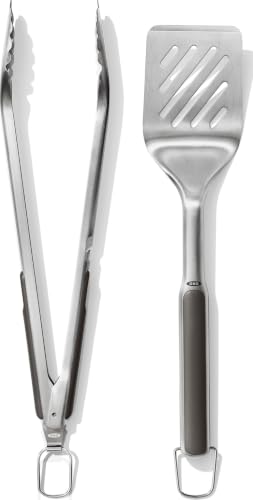
Simply place the pepper directly over a gas burner flame and rotate it with tongs until the skin becomes blackened.
Afterward, place it in a covered bowl or sealed container for several minutes.
The steam helps loosen the skin, making it easy to remove.
This method creates an intensely smoky flavor that is difficult to achieve any other way.
Common Mistakes to Avoid
Even simple techniques can produce disappointing results if a few key details are overlooked.
Using Low Heat
Low temperatures prevent proper charring.
Instead of browning, vegetables slowly soften and become mushy.
Cooking Wet Vegetables
Water is the enemy of good char.
Always dry vegetables thoroughly after washing.
Overcrowding the Cooking Surface
Too many vegetables create steam.
Steam prevents the dry surface conditions needed for browning.
Turning Too Often
Constant movement interrupts the charring process.
Allow vegetables enough time to develop color before flipping.
Burning Instead of Charring
A small amount of blackening adds flavor.
Large areas of completely burnt vegetable create unpleasant bitterness.
Aim for a balance between dark color and edible texture.
Seasoning Charred Vegetables
Simple seasoning often works best.
Because charring already creates complex flavor, we don’t need to overwhelm the vegetables with heavy seasoning blends.
Popular options include:
- Olive oil
- Kosher salt
- Freshly cracked black pepper
- Lemon juice
- Garlic
- Fresh herbs
- Parmesan cheese
- Balsamic glaze
A squeeze of lemon after cooking can brighten the smoky flavors beautifully.
Delicious Ways to Use Charred Vegetables
Once we’ve mastered charring, there are countless ways to enjoy the results.
Charred vegetables work wonderfully in:
- Salads
- Grain bowls
- Pasta dishes
- Tacos
- Sandwiches
- Wraps
- Pizza toppings
- Side dishes
- Vegetable platters
They can also be blended into soups, dips, and sauces for extra depth of flavor.
Are Charred Vegetables Healthy?
In moderation, charred vegetables can absolutely be part of a healthy diet.
Vegetables retain many of their nutrients while developing additional flavor that encourages us to eat more of them.
However, it is best to avoid excessive burning. Light to moderate charring provides the desired flavor without turning large portions of the vegetable into completely blackened material.
The goal is flavorful browning, not heavy carbonization.
Final Thoughts
Learning how to char vegetables is one of the easiest ways to elevate everyday cooking. With just a little heat and patience, ordinary vegetables can develop extraordinary flavor.
Whether we use a grill, cast-iron skillet, broiler, or open flame, the principles remain the same: start with high heat, keep the vegetables dry, avoid overcrowding, and allow enough time for proper browning.
Once we master these basics, we’ll discover that charred vegetables can become the highlight of a meal rather than simply a side dish. Their smoky aroma, caramelized sweetness, and satisfying texture make them a favorite for home cooks and professional chefs alike.
