

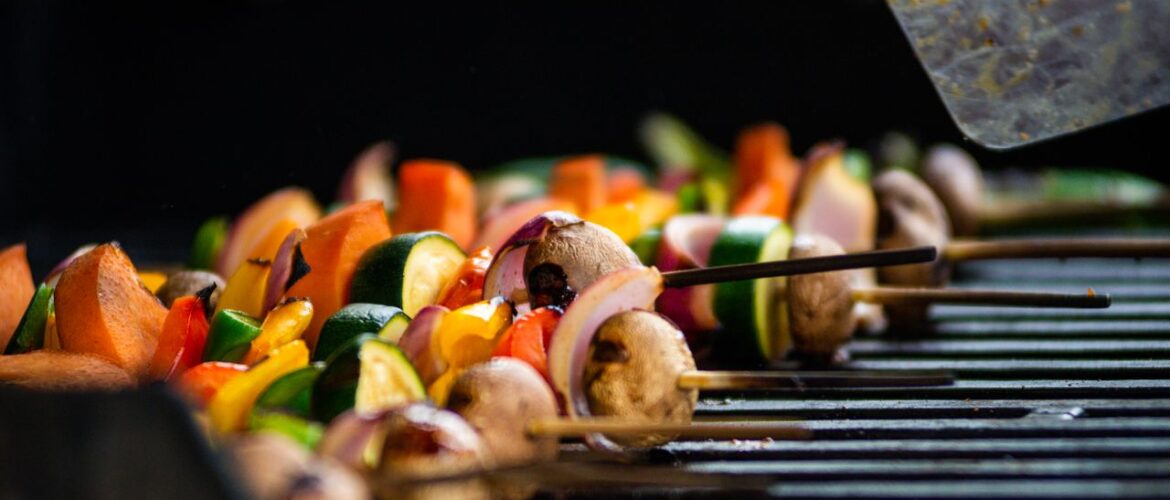
How to Grill Skewers on a Gas Grill: The Complete Guide to Perfect Kabobs Every Time
There’s something about grilled skewers that makes outdoor cooking feel effortless. Whether we’re preparing juicy chicken kabobs, colorful vegetable skewers, or flavorful beef kebabs, a gas grill makes the process quick, convenient, and reliable.
The challenge is that skewers can easily dry out, cook unevenly, or stick to the grill if we don’t use the right technique. The good news is that a few simple adjustments can make a huge difference.
In this guide, we’ll walk through everything we need to know about grilling skewers on a gas grill, from preparation and grilling temperatures to timing and common mistakes to avoid.
Why Gas Grills Are Great for Skewers
Many people associate skewers with charcoal grilling, but gas grills offer several advantages.
First, they heat up quickly. Instead of waiting for charcoal to reach the proper temperature, we can usually start cooking within 10 to 15 minutes.
Second, gas grills allow us to control the heat more precisely. This makes it easier to cook meat thoroughly without burning the outside.
Finally, cleanup is often simpler, which means we can spend more time enjoying the meal and less time dealing with the aftermath.
Choosing the Right Skewers
Before we even turn on the grill, it’s important to select the right type of skewer.
Metal Skewers
Metal skewers are reusable, durable, and conduct heat throughout the food. This can help ingredients cook more evenly.
Benefits include:
- Reusable for years
- No soaking required
- Less likely to burn
- Strong enough for larger pieces of meat
Wooden or Bamboo Skewers
Wooden skewers are inexpensive and convenient, but they require some preparation.
To prevent burning, soak them in water for at least 30 minutes before grilling. Some grillers prefer soaking them for an hour for added protection.
Even when soaked, the exposed ends may darken slightly during cooking.

Best Foods for Grilling on Skewers
Almost anything can be cooked on a skewer, but some ingredients work particularly well.
Popular Meat Choices
- Chicken breast
- Chicken thighs
- Beef sirloin
- Steak tips
- Pork tenderloin
- Shrimp
- Lamb
Great Vegetable Options
- Bell peppers
- Red onions
- Mushrooms
- Zucchini
- Yellow squash
- Cherry tomatoes
- Pineapple chunks
Combining colorful vegetables with meat creates attractive skewers that look just as good as they taste.
Should We Marinate the Ingredients?
In most cases, yes.
A good marinade can add flavor, improve tenderness, and help keep meat juicy during grilling.
Simple marinade ingredients include:
| Ingredient | Purpose |
|---|---|
| Olive oil | Helps prevent sticking and adds moisture |
| Lemon juice | Adds brightness and tenderizes |
| Garlic | Boosts flavor |
| Soy sauce | Adds savory depth |
| Herbs | Enhance aroma and freshness |
For chicken and pork, marinating for 2 to 8 hours often produces excellent results.
For shrimp, 15 to 30 minutes is usually enough.
How to Assemble Skewers Properly
One of the most common mistakes is placing ingredients randomly on a skewer.
Instead, we should think about cooking times.
For example:
- Chicken usually cooks slower than peppers.
- Shrimp cooks faster than almost everything else.
- Potatoes take significantly longer than most vegetables.
For the most even cooking, it’s often better to place similar ingredients on separate skewers.
This allows us to remove vegetables when they’re done without overcooking the meat.
If we prefer mixed kabobs, keep the pieces roughly the same size.
A good rule is to cut ingredients into 1 to 1½-inch chunks.
Preparing the Gas Grill
Proper grill preparation is critical.
Step 1: Clean the Grates
Start with clean grill grates.
Old food residue can cause sticking and create unpleasant flavors.
Step 2: Preheat the Grill
Turn the burners to medium-high heat and allow the grill to preheat for about 10 to 15 minutes.
For most skewers, the ideal grilling temperature is around:
400°F to 450°F (204°C to 232°C)
This temperature provides a nice balance between browning and even cooking.
Step 3: Oil the Grates
Once the grill is hot, lightly oil the grates.
This simple step can significantly reduce sticking.
Direct Heat vs. Indirect Heat
Most skewers cook best using direct heat.
Direct heat allows ingredients to develop:
- Grill marks
- Caramelization
- Slight charring
- Rich grilled flavor
However, thicker cuts of meat may benefit from a combination of direct and indirect heat.
For example, we can sear the skewers over direct heat and then move them to a cooler section of the grill to finish cooking.
How Long to Grill Skewers
Cooking time depends on the ingredients.
The following table provides general guidelines.
| Ingredient | Approximate Time |
| Shrimp | 4–6 minutes |
| Chicken breast | 10–14 minutes |
| Chicken thighs | 12–16 minutes |
| Beef kabobs | 8–12 minutes |
| Pork tenderloin | 10–14 minutes |
| Vegetables | 8–12 minutes |
Turn the skewers every 2 to 3 minutes to promote even cooking.
How to Tell When Skewers Are Done
Appearance alone can be misleading.
The safest method is using a meat thermometer.
Recommended internal temperatures:
| Food | Internal Temperature |
| Chicken | 165°F (74°C) |
| Pork | 145°F (63°C) |
| Beef | 135–145°F (57–63°C) depending on preference |
| Shrimp | Opaque and firm |
Using a thermometer removes the guesswork and helps prevent overcooking.
Common Mistakes to Avoid
Overcrowding the Skewer
When ingredients are packed too tightly, heat cannot circulate properly.
Leave small gaps between pieces whenever possible.
Using Uneven Sizes
Large chunks and small chunks on the same skewer rarely finish cooking at the same time.
Consistent sizing leads to better results.
Flipping Too Frequently
Constant flipping prevents proper browning.
Allow each side enough time to develop color before turning.
Starting with a Cold Grill
A properly preheated grill helps create better grill marks and reduces sticking.
Ignoring Food Safety
Always use separate plates for raw and cooked foods.
This simple habit helps prevent cross-contamination.
Tips for Extra Flavor
If we want restaurant-quality skewers, a few finishing touches can make a big difference.
Brush During Cooking
Lightly brushing skewers with marinade or barbecue sauce during the final few minutes can enhance flavor.
Avoid adding sugary sauces too early because they may burn.
Add Fresh Herbs
Fresh parsley, cilantro, basil, or dill can brighten the finished dish.
Finish with Citrus
A squeeze of lemon or lime immediately before serving can dramatically improve the overall flavor.

Serving Ideas
Grilled skewers pair well with many side dishes.
Popular options include:
- Rice pilaf
- Grilled vegetables
- Greek salad
- Garlic bread
- Couscous
- Roasted potatoes
- Tzatziki sauce
For a complete meal, we can serve several different types of skewers together and let everyone mix and match their favorites.
Final Thoughts
Learning how to grill skewers on a gas grill is easier than many people think. With proper preparation, the right temperature, and a little attention during cooking, we can create juicy, flavorful kabobs that rival those from any restaurant.
The key is keeping ingredient sizes consistent, preheating the grill properly, and turning the skewers regularly. Whether we’re grilling chicken, beef, shrimp, vegetables, or a combination of all four, these simple techniques help ensure delicious results every time.
Once we master the basics, skewers become one of the easiest and most versatile meals we can make on a gas grill.
