

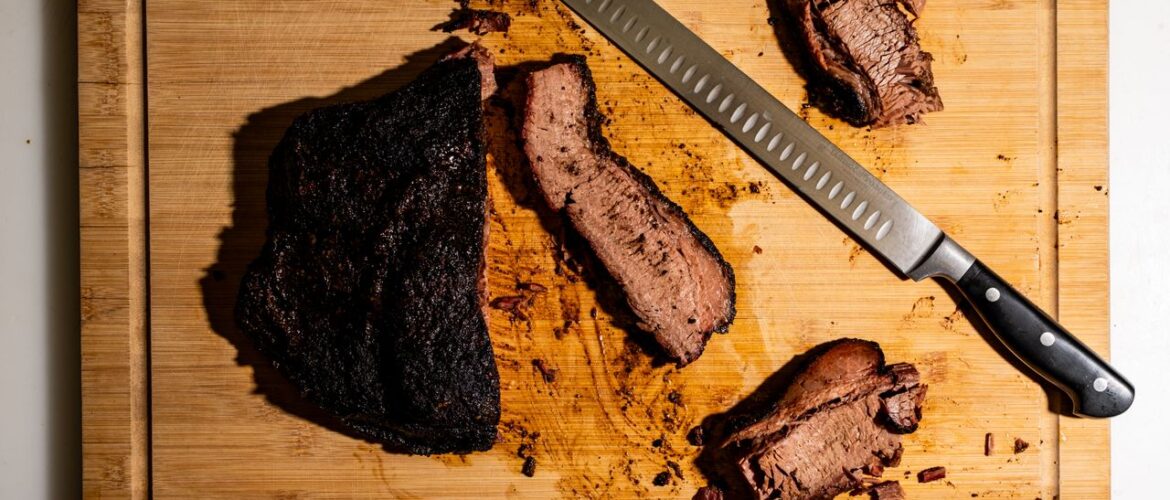
How to Season a Brisket Before Smoking: A Complete Guide for Flavorful Results
Few barbecue experiences are as rewarding as smoking a brisket. The rich bark, the deep smoky flavor, and the tender slices make brisket one of the most respected cuts in outdoor cooking. But before we even think about firing up the smoker, there is one critical step that deserves our attention: seasoning.
Many people spend hours researching smokers, wood choices, and cooking temperatures while overlooking the importance of properly seasoning the meat. The truth is that even the best smoker cannot fully compensate for poor preparation.
In this guide, we’ll walk through exactly how to season a brisket before smoking, what ingredients work best, common mistakes to avoid, and how to maximize flavor without making the process complicated.
Why Proper Brisket Seasoning Matters
Brisket is a large cut of beef taken from the lower chest of the cow. Because it contains a significant amount of connective tissue, it requires a long, slow cooking process to become tender.
Seasoning serves several purposes:
- Enhances the natural beef flavor
- Helps create a flavorful bark
- Adds texture to the exterior
- Balances the richness of the meat
- Complements the smoke flavor
A properly seasoned brisket doesn’t need dozens of spices. In fact, many championship pitmasters rely on surprisingly simple seasoning blends.
The goal isn’t to overpower the beef. Instead, we’re trying to highlight and enhance the meat’s natural flavor.
Choosing the Right Brisket
Before applying seasoning, we should start with a quality brisket.
Most grocery stores offer two common options:
| Brisket Type | Description |
|---|---|
| Flat Cut | Leaner, more uniform shape, easier to slice |
| Whole Packer Brisket | Includes both the flat and point muscles, more marbling and flavor |
For smoking, many barbecue enthusiasts prefer a whole packer brisket because the additional fat helps keep the meat moist during the long cooking process.
Look for:
- Good marbling throughout the meat
- Flexible texture when lifted
- Bright red color
- Thick, creamy white fat
Better meat provides a better foundation for seasoning.


Trim the Brisket Before Seasoning
One of the biggest mistakes beginners make is seasoning before trimming.
Always trim first.
The seasoning should contact the meat itself rather than excess fat that may later be removed.
When trimming:
- Remove hard exterior fat
- Leave about 1/4 inch of fat cap
- Remove loose pieces of meat
- Round sharp edges that may burn
Don’t worry about making it perfect. The goal is simply to create a clean, even surface.
Should You Use a Binder?
A binder is a thin layer applied before seasoning to help spices adhere to the meat.
Popular options include:
- Yellow mustard
- Worcestershire sauce
- Hot sauce
- Olive oil
The good news is that a binder is completely optional.
Many pitmasters use mustard because it helps hold the seasoning in place and virtually disappears during cooking.
Others skip it entirely and apply seasoning directly to the brisket.
If we choose to use a binder, apply only a very thin layer.
Too much can create a messy coating and prevent the seasoning from sitting properly on the surface.
The Classic Texas Brisket Rub
When discussing brisket seasoning, it’s impossible to ignore Texas barbecue traditions.
The classic Texas rub consists of only two ingredients:
- Coarse black pepper
- Kosher salt
That’s it.
This simple combination allows the beef and smoke to remain the stars of the show.
A common ratio is:
- 50% coarse black pepper
- 50% kosher salt
The large pepper granules contribute significantly to bark formation during smoking.
Many experienced pitmasters still consider this minimalist approach the gold standard for brisket.

Adding More Flavor to Your Rub
While Texas-style seasoning is incredibly popular, there’s nothing wrong with adding a few extra ingredients.
Some common additions include:
- Garlic powder
- Onion powder
- Smoked paprika
- Chili powder
- Cumin
- Cayenne pepper
A balanced brisket rub might look like this:
| Ingredient | Amount |
| Kosher salt | 1/4 cup |
| Coarse black pepper | 1/4 cup |
| Garlic powder | 2 tablespoons |
| Onion powder | 2 tablespoons |
| Paprika | 1 tablespoon |
| Chili powder | 1 tablespoon |
This blend adds complexity without overwhelming the beef.
How Much Seasoning Should You Use?
A brisket is a large cut of meat, and many first-time smokers don’t use enough seasoning.
Don’t be afraid to be generous.
The meat can handle a substantial amount of rub.
A good rule is to apply enough seasoning so that the entire surface appears evenly coated without large bare spots.
We should still be able to see the texture of the meat underneath, but the seasoning layer should be clearly visible.
For a large packer brisket, it’s common to use several tablespoons of rub.
How to Apply the Seasoning Evenly
Proper application makes a noticeable difference.
Follow these simple steps:
1. Pat the Brisket Dry
Use paper towels to remove excess moisture.
A dry surface helps the seasoning adhere more effectively.
2. Apply the Binder (Optional)
Spread a thin, even layer over all sides.
3. Sprinkle the Rub From Above
Hold the seasoning container several inches above the brisket.
This promotes more even distribution.
4. Cover Every Surface
Don’t forget:
- Top
- Bottom
- Sides
- Edges
Every exposed area should receive seasoning.
5. Avoid Rubbing Aggressively
Despite the term “rub,” we don’t actually need to rub it into the meat.
Simply sprinkle and gently pat the seasoning into place.
Aggressive rubbing can create uneven coverage.

How Long Should the Seasoning Sit?
This is one of the most common questions among beginners.
There are several acceptable approaches.
Season Immediately Before Smoking
Many pitmasters season the brisket and place it directly on the smoker.
This method is simple and effective.
Season One to Four Hours Ahead
Allowing the brisket to rest gives the salt time to interact with the meat.
Many cooks prefer this window.
Season Overnight
For deeper flavor development, we can season the brisket and refrigerate it overnight.
Place it uncovered on a wire rack in the refrigerator.
This approach often helps create a better bark and a drier exterior surface for smoke absorption.
Should You Inject a Brisket?
Injection is optional.
Some competitors and experienced pitmasters inject briskets with:
- Beef broth
- Beef stock
- Phosphate-based injections
- Worcestershire mixtures
For most backyard cooks, injection isn’t necessary.
A well-marbled brisket combined with proper seasoning and smoking techniques can produce excellent results without additional steps.
Common Brisket Seasoning Mistakes
Avoiding a few common errors can dramatically improve results.
Using Fine Table Salt
Fine salt can make the brisket overly salty.
Kosher salt is generally the better choice.
Applying Too Little Seasoning
Large cuts need more seasoning than many people expect.
Overcomplicating the Rub
Sometimes less is more.
Too many spices can muddy the flavor profile.
Forgetting the Sides
The edges contribute significantly to bark formation.
Season them thoroughly.
Not Trimming Properly
Excess fat can prevent seasoning from reaching the meat.
Does the Type of Wood Affect Seasoning Choices?
Absolutely.
Different woods create different flavor profiles.
| Wood Type | Flavor Profile |
| Oak | Balanced and traditional |
| Hickory | Strong and bold |
| Mesquite | Intense and earthy |
| Pecan | Rich and slightly sweet |
| Cherry | Mild sweetness |
| Apple | Light and fruity |
If we’re using stronger woods like mesquite, a simple seasoning blend often works best.
With milder woods such as apple or cherry, a slightly more complex rub can complement the smoke nicely.
Final Thoughts
Learning how to season a brisket before smoking doesn’t require complicated recipes or expensive ingredients. In many cases, the simplest approach delivers the most authentic barbecue flavor.
Start with a quality brisket, trim it carefully, apply a generous layer of seasoning, and give the meat enough time to absorb those flavors before smoking.
Whether we choose the traditional Texas combination of salt and pepper or a more elaborate homemade rub, the key is balance. We want the seasoning to support the beef rather than overpower it.
With proper preparation, patience, and a good smoking process, we’ll be well on our way to producing a brisket that’s flavorful, tender, and worthy of sharing with family and friends.
