
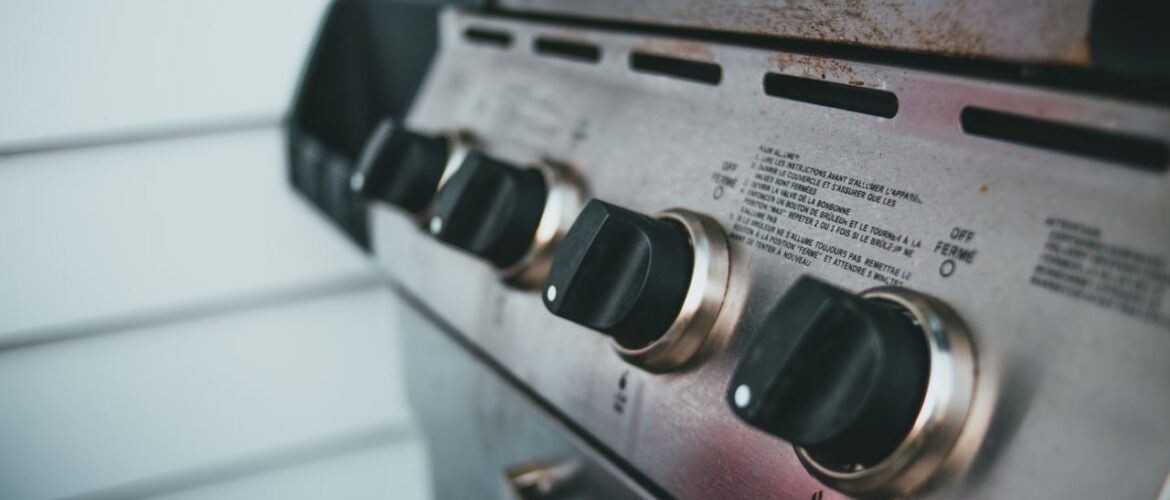
Why Is My Gas Grill Not Getting Hot? Common Causes and Easy Fixes
There’s nothing more frustrating than firing up the grill, waiting for it to preheat, and realizing it just won’t get hot enough. Whether you’re trying to sear steaks, grill burgers, or cook vegetables, a gas grill that struggles to reach proper cooking temperatures can turn a simple cookout into a headache.
The good news is that most gas grill heating problems are caused by a handful of common issues. In many cases, the fix is surprisingly simple and doesn’t require replacing the entire grill.
In this guide, we’ll walk through the most common reasons why a gas grill is not getting hot and what we can do to get it back up to temperature.
What Temperature Should a Gas Grill Reach?
Most properly functioning gas grills should reach between 500°F and 650°F (260°C to 343°C) within 10 to 15 minutes with the lid closed.
If your grill struggles to get above 300°F to 400°F, something is likely restricting the gas flow or reducing heat output.
1. The Propane Tank Is Running Low
One of the simplest explanations is also one of the most common.
Even if the tank isn’t completely empty, a low propane level can reduce pressure and limit the amount of fuel reaching the burners.
Signs of a Low Tank
- Weak flames
- Longer preheating times
- Difficulty reaching temperatures above 350°F
- Uneven cooking
How to Fix It
Try connecting a full propane tank and see if performance improves. If the grill heats normally with a fresh tank, the issue was simply low fuel.

2. The Regulator Is in Safety Mode
Modern propane grills include a safety feature that limits gas flow if the regulator detects a sudden pressure surge.
This often happens when we open the propane tank valve too quickly before turning on the burners.
Signs of Regulator Lockout
- Grill won’t get hotter than 250°F to 350°F
- All burners produce small flames
- The problem starts suddenly after changing tanks
How to Reset the Regulator
- Turn off all burner controls.
- Close the propane tank valve.
- Disconnect the regulator.
- Wait about 5 minutes.
- Reconnect the regulator.
- Slowly open the propane tank valve.
- Turn on the grill and ignite normally.
Many grill owners are surprised by how often this simple reset solves the problem.
3. Dirty or Clogged Burners
Over time, grease, food debris, rust, and insect nests can partially block burner ports.
When gas cannot flow evenly through the burners, the grill loses heat output.
Common Symptoms
- Uneven flames
- Cold spots on the cooking surface
- Yellow flames instead of blue flames
- Difficulty reaching high temperatures
How to Clean the Burners
Remove the burners according to the manufacturer’s instructions.
Use:
- A soft wire brush
- A burner cleaning tool
- Compressed air
Avoid enlarging burner holes with nails or drill bits because this can permanently alter gas flow.
4. Spider Webs Inside the Venturi Tubes
It sounds strange, but spiders are attracted to the smell of propane and often build webs inside grill venturi tubes.
Even a small web can significantly restrict airflow and reduce heat output.
Signs of a Venturi Blockage
- Low temperatures
- Yellow flames
- Flames near the control panel
- Popping noises during operation
How to Fix It
Inspect the venturi tubes and carefully clean them with a flexible brush or compressed air.
This is a surprisingly common cause of poor grill performance.
5. The Burner Ports Are Corroded
If the grill is several years old, corrosion may have damaged the burners.
Rust can block ports or create uneven gas distribution, resulting in weak heating performance.
What to Look For
- Heavy rust
- Cracks in the burner tubes
- Missing burner ports
- Uneven flame patterns
Solution
Replacing burners is often inexpensive and can dramatically improve heating performance.
6. Cold Weather and Wind
Environmental conditions can affect grill temperatures more than many people realize.
Strong winds can carry heat away from the cooking chamber, while cold temperatures force the grill to work harder to maintain heat.
How to Improve Performance
- Position the grill in a sheltered area.
- Keep the lid closed as much as possible.
- Allow extra preheating time.
- Use a windbreak when safe and appropriate.
A grill that reaches 600°F in summer may struggle to hit 500°F on a windy winter day.
7. Grease Buildup Restricting Airflow
A dirty grill doesn’t just look bad—it can also reduce performance.
Grease buildup on heat shields, flavorizer bars, and interior surfaces can interfere with airflow and heat circulation.
Areas to Clean
| Component | Why It Matters |
|---|---|
| Burners | Ensures proper gas flow |
| Heat shields | Improves heat distribution |
| Grease tray | Prevents airflow restriction |
| Cooking grates | Enhances cooking efficiency |
| Firebox interior | Improves heat circulation |
Regular cleaning helps maintain consistent temperatures and extends grill life.
8. A Faulty Regulator
Sometimes the regulator itself is failing.
Regulators wear out over time and may no longer supply adequate gas pressure.
Symptoms
- Consistently low temperatures
- Weak flames even with a full propane tank
- Regulator resets do not help
Solution
Replacing a propane regulator is typically inexpensive and often takes less than 15 minutes.
9. Gas Hose Restrictions
A kinked, damaged, or partially blocked gas hose can reduce fuel flow to the burners.
Inspect the entire hose for:
- Sharp bends
- Cracks
- Damage from animals
- Signs of wear
If the hose looks questionable, replacing it is usually the safest option.
10. The Grill Is Simply Too Dirty
When a grill goes several seasons without a deep cleaning, multiple small issues can combine to reduce heating performance.
Grease buildup, clogged burners, blocked airflow, and debris accumulation can all contribute to lower temperatures.
Deep Cleaning Checklist
- Remove cooking grates
- Clean burners
- Empty grease trays
- Scrape the firebox
- Inspect venturi tubes
- Check heat shields
- Examine gas connections
Many grills regain their original performance after a thorough cleaning.
Quick Troubleshooting Guide
| Problem | Most Likely Cause |
| Won’t exceed 300°F | Regulator safety lock |
| Weak flames on all burners | Low propane or bad regulator |
| Uneven heating | Dirty burners |
| Yellow flames | Airflow blockage |
| Flames near controls | Spider webs in venturi tubes |
| Good flame but low heat | Dirty grill interior |
When Should We Replace Parts?
If cleaning and troubleshooting don’t solve the problem, it may be time to replace certain components.
Common replacement parts include:
- Burners
- Regulator
- Gas hose
- Ignition system
- Heat shields
Fortunately, many of these parts are affordable and can significantly extend the life of the grill.
Final Thoughts
When a gas grill isn’t getting hot, the cause is usually something simple rather than a major mechanical failure. In many cases, a low propane tank, regulator safety lockout, dirty burners, or blocked venturi tubes are responsible.
Before assuming the grill needs replacement, it’s worth performing a systematic inspection and cleaning. A few minutes of maintenance can often restore full heating performance and get us back to cooking at the temperatures we expect.
By checking fuel supply, cleaning critical components, and ensuring proper airflow, we can solve most gas grill heating problems without calling a technician or buying a new grill.