

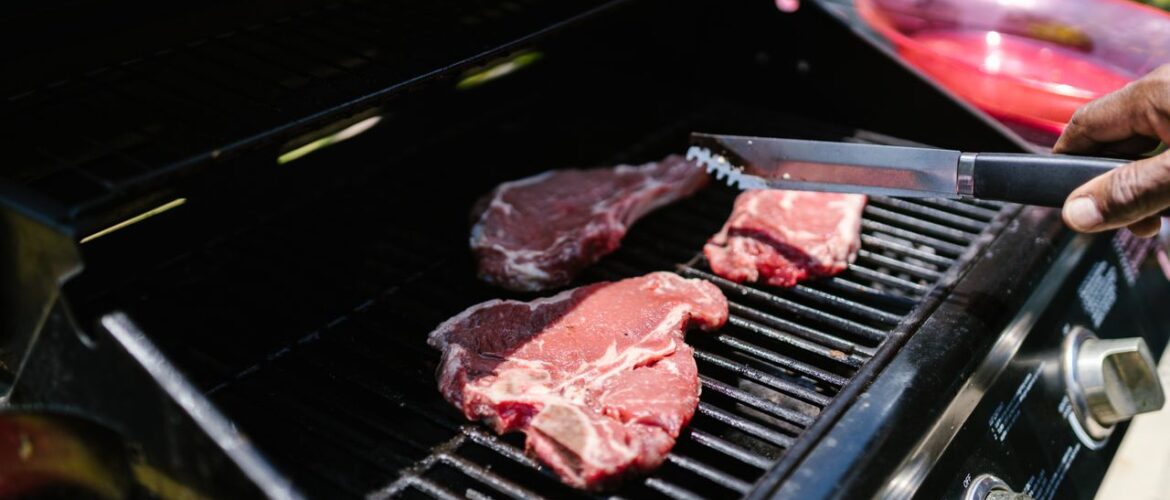
How to BBQ Steak on a Gas Grill: The Complete Guide to Juicy, Flavor-Packed Results
There’s something special about cooking steak on a gas grill. The sound of the meat hitting the hot grates, the aroma of sizzling beef, and that beautiful crust forming on the outside are all part of the experience.
The good news is that we don’t need a fancy steakhouse kitchen or professional grilling skills to make an incredible steak at home. With the right preparation and a few simple techniques, we can cook a steak that is juicy, tender, and packed with flavor.
In this guide, we’ll walk through everything we need to know about how to BBQ steak on a gas grill, from choosing the right cut to achieving the perfect level of doneness.
Why a Gas Grill Works Great for Steak
Many people assume that charcoal is the only way to grill steak. While charcoal can add a smoky flavor, a gas grill offers several advantages.
Gas grills heat up quickly, provide excellent temperature control, and make it easy to create different cooking zones.
This means we can sear the steak over high heat and then finish cooking it more gently if needed.
For beginners and experienced grillers alike, a gas grill is one of the easiest ways to achieve consistent results.
Choosing the Best Steak for Grilling
Not all steaks are created equal.
Some cuts are naturally tender and flavorful, making them ideal for grilling.
Here are some of the most popular choices:
| Steak Cut | Flavor | Tenderness | Best Thickness |
|---|---|---|---|
| Ribeye | Rich and beefy | Very tender | 1–1.5 inches |
| New York Strip | Bold flavor | Tender | 1–1.5 inches |
| Filet Mignon | Mild flavor | Extremely tender | 1.5–2 inches |
| T-Bone | Rich and meaty | Tender | 1–1.5 inches |
| Porterhouse | Robust flavor | Very tender | 1.5–2 inches |
| Sirloin | Leaner flavor | Moderately tender | 1–1.5 inches |
For the best results, we should choose steaks that are at least 1 inch thick. Thin steaks cook too quickly and can become overdone before a good crust develops.
Preparing the Steak Before Grilling
Preparation starts long before the steak reaches the grill.
Bring the Steak to Room Temperature
Take the steak out of the refrigerator about 30 to 45 minutes before cooking.
This helps it cook more evenly from edge to center.
Pat It Dry
Use paper towels to remove excess moisture from the surface.
A dry surface allows the steak to develop a better sear.
Season Generously
One of the biggest mistakes people make is under-seasoning.
A simple combination of:
- Kosher salt
- Freshly ground black pepper
is often all we need.
For extra flavor, we can add:
- Garlic powder
- Onion powder
- Smoked paprika
- Steak seasoning blends
Season both sides generously.
Preheating the Gas Grill
This step is absolutely critical.
A hot grill creates the flavorful crust that makes steak so delicious.
Turn all burners to high and close the lid.
Allow the grill to preheat for about 10 to 15 minutes.
For most steaks, we want the grill temperature between 450°F and 550°F.
Before placing the steak on the grill, clean the grates and lightly oil them to reduce sticking.
Setting Up Two Heat Zones
One technique that can dramatically improve our grilling results is creating two cooking zones.
Direct Heat Zone
This side of the grill remains on high heat.
We use it for searing.
Indirect Heat Zone
This side is either turned off or set to low.
We use it for finishing thicker steaks without burning the exterior.
This setup provides much greater control during cooking.
How to Grill Steak on a Gas Grill
Now comes the fun part.
Step 1: Place the Steak Over Direct Heat
Lay the steak directly over the hottest section of the grill.
Close the lid and let it cook undisturbed.
Avoid moving it around constantly.
Step 2: Flip Once
After about 3 to 5 minutes, flip the steak.
A properly heated grill should produce beautiful grill marks and a dark golden-brown crust.
Cook the second side for another 3 to 5 minutes.
Step 3: Finish Cooking
For thinner steaks, this may be enough.
For thicker steaks, move them to the indirect heat zone and continue cooking until the desired internal temperature is reached.
Steak Doneness Temperatures
The most reliable way to determine doneness is with an instant-read thermometer.
| Doneness | Internal Temperature |
| Rare | 120–125°F |
| Medium Rare | 130–135°F |
| Medium | 140–145°F |
| Medium Well | 150–155°F |
| Well Done | 160°F+ |
Medium-rare is often considered the sweet spot for flavor and tenderness.
Remember that the steak will continue cooking slightly after it leaves the grill.
The Secret to Perfect Grill Marks
Many people chase those restaurant-style grill marks.
Fortunately, they are easy to achieve.
After placing the steak on the grill:
- Cook for about 2 minutes.
- Rotate the steak 45 degrees.
- Cook another 2 minutes.
- Flip and repeat.
This creates the classic crosshatch pattern seen in steakhouses.
While grill marks look impressive, remember that flavor comes primarily from the overall crust, not the marks themselves.
Should We Use Butter?
Butter can add incredible richness.
During the final minute of cooking, we can top the steak with:
- Butter
- Garlic
- Fresh rosemary
- Fresh thyme
The butter melts into the meat and creates a steakhouse-style finish.
This simple step can elevate an ordinary steak into something memorable.
Why Resting the Steak Matters
One of the hardest parts of grilling is waiting.
However, resting is essential.
After removing the steak from the grill, place it on a cutting board and let it rest for 5 to 10 minutes.
During this time, the juices redistribute throughout the meat.
If we slice immediately, much of that moisture ends up on the cutting board instead of inside the steak.
A properly rested steak is noticeably juicier.
Common Steak Grilling Mistakes
Even experienced grillers occasionally make mistakes.
Here are some of the most common ones.
Not Preheating the Grill
A cold grill prevents proper searing.
Flipping Too Often
Constant flipping can interfere with crust formation.
Using a Fork
Piercing the meat allows juices to escape.
Use tongs instead.
Skipping the Thermometer
Guessing often leads to overcooked steak.
A thermometer removes the uncertainty.
Not Resting the Meat
This is one of the easiest ways to lose moisture and tenderness.
Best Side Dishes for BBQ Steak
A great steak deserves equally delicious sides.
Popular choices include:
- Grilled asparagus
- Garlic mashed potatoes
- Baked potatoes
- Corn on the cob
- Grilled mushrooms
- Caesar salad
- Roasted vegetables
These sides complement the rich flavor of grilled beef without overpowering it.
How Long Does Steak Take on a Gas Grill?
Cooking times vary depending on thickness and grill temperature.
As a general guide:
| Thickness | Approximate Time |
| 1 inch | 6–10 minutes |
| 1.5 inches | 10–14 minutes |
| 2 inches | 14–18 minutes |
These times are estimates only.
Internal temperature is always the best indicator of doneness.
Final Thoughts
Learning how to BBQ steak on a gas grill is easier than many people think. The key is focusing on a few fundamentals: choosing a quality cut, preheating the grill properly, using high heat for searing, monitoring internal temperature, and allowing the steak to rest before serving.
Once we master these basics, we can consistently produce steaks that rival those served in expensive restaurants.
Whether we’re grilling a ribeye for a family dinner or preparing a thick porterhouse for a weekend cookout, a gas grill is more than capable of delivering exceptional results. With a little practice, every steak can come off the grill juicy, flavorful, and perfectly cooked.