
How to Cook Kabobs on a Gas Grill: The Complete Guide to Perfectly Grilled Skewers
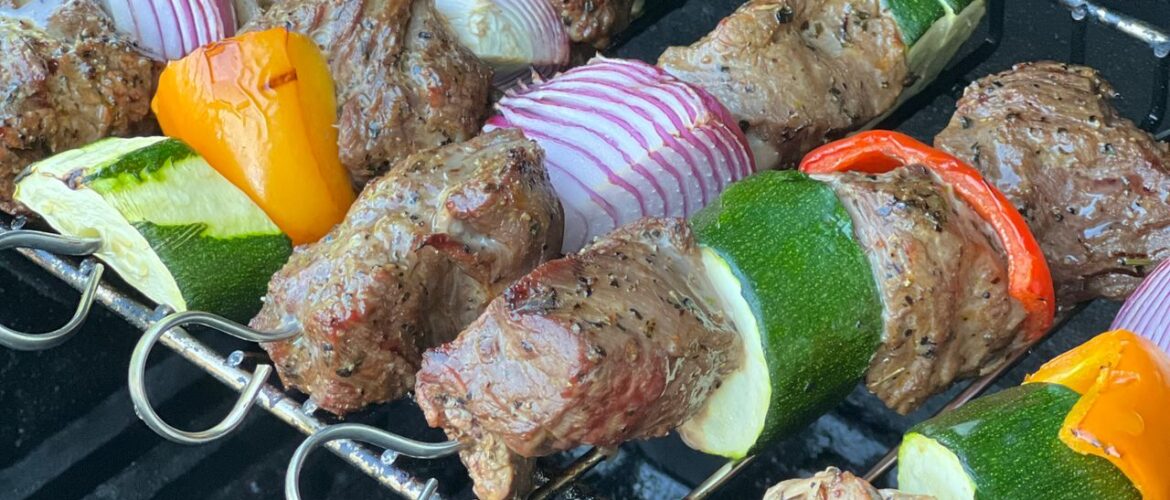
Kabobs are one of the easiest and most flavorful meals we can make on a gas grill. Whether we’re cooking juicy chicken, tender beef, fresh vegetables, or a combination of all three, grilled kabobs deliver incredible flavor with surprisingly little effort.
The secret to great kabobs isn’t complicated. It comes down to choosing the right ingredients, cutting everything into similar-sized pieces, and grilling at the proper temperature. When we get those basics right, we end up with kabobs that are juicy on the inside, lightly charred on the outside, and packed with smoky grilled flavor.
In this guide, we’ll walk through everything we need to know about cooking kabobs on a gas grill, from preparation and grilling times to common mistakes that can ruin an otherwise great meal.
Why Gas Grills Are Perfect for Kabobs
Many people think charcoal is the only way to get delicious kabobs, but a gas grill offers several advantages.
First, temperature control is much easier. We can quickly adjust the heat if the food starts cooking too fast or too slowly.
Second, gas grills preheat quickly. Instead of waiting for charcoal to reach the right temperature, we can often be ready to cook in 10 to 15 minutes.
Finally, gas grills make it easier to create different heat zones. This allows us to move kabobs around the grill as needed to prevent burning and ensure even cooking.
Choosing the Best Ingredients for Kabobs
The beauty of kabobs is their versatility.
We can use a wide variety of proteins, vegetables, and seasonings depending on our preferences.
Popular Meat Choices
Some of the best meats for grilling kabobs include:
- Chicken breast
- Chicken thighs
- Sirloin steak
- Ribeye steak
- Beef tenderloin
- Pork loin
- Shrimp
- Lamb
Chicken thighs are often the easiest option because they remain juicy even if slightly overcooked.
For beef kabobs, sirloin is a favorite because it offers a great balance between tenderness and affordability.
Best Vegetables for Kabobs
Vegetables add color, texture, and flavor.
Popular choices include:
- Bell peppers
- Red onions
- Zucchini
- Yellow squash
- Mushrooms
- Cherry tomatoes
- Pineapple chunks
Mixing vegetables with meat creates attractive kabobs and allows flavors to blend during grilling.

How to Cut Ingredients for Even Cooking
One of the biggest mistakes people make is cutting ingredients into random sizes.
If some pieces are large and others are small, they won’t cook evenly.
As a general rule:
| Ingredient | Recommended Size |
|---|---|
| Chicken | 1 to 1½-inch cubes |
| Beef | 1 to 1½-inch cubes |
| Pork | 1 to 1½-inch cubes |
| Bell Peppers | 1-inch pieces |
| Onion | 1-inch chunks |
| Zucchini | ¾-inch slices |
| Pineapple | 1-inch chunks |
Keeping everything similar in size helps ensure that all ingredients finish cooking at roughly the same time.
Should We Marinate Kabobs?
Absolutely.
A good marinade can transform ordinary ingredients into something special.
For chicken and pork, marinating for 2 to 8 hours works well.
For beef, even 1 to 4 hours can add plenty of flavor.
A simple marinade often includes:
- Olive oil
- Lemon juice
- Garlic
- Salt
- Black pepper
- Herbs
Avoid marinating seafood for too long, as acidic ingredients can begin to break down the texture.
Metal vs. Wooden Skewers
Both options work, but each has advantages.
Metal Skewers
Pros:
- Reusable
- Durable
- Conduct heat into the food
- No soaking required
Cons:
- Become extremely hot
Wooden Skewers
Pros:
- Inexpensive
- Disposable
Cons:
- Can burn if not soaked
If we’re using wooden skewers, it’s best to soak them in water for at least 30 minutes before grilling.
How to Assemble Kabobs
When building kabobs, avoid packing ingredients too tightly.
Leaving small gaps between pieces allows heat to circulate more effectively.
A common pattern might look like this:
- Chicken
- Bell pepper
- Onion
- Chicken
- Zucchini
- Chicken
- Mushroom
This arrangement creates visual appeal and helps distribute flavors evenly.
Preparing the Gas Grill
Proper grill preparation makes a huge difference.
Start by cleaning the grill grates thoroughly.
Next, preheat the gas grill to medium-high heat, approximately 400°F to 450°F.
A properly preheated grill helps create beautiful grill marks and prevents food from sticking.
Before placing kabobs on the grill, lightly oil the grates using a grill-safe oil with a high smoke point.
How to Cook Kabobs on a Gas Grill
Once the grill is hot, place the kabobs directly over medium-high heat.
Cook with the lid closed whenever possible.
This helps maintain consistent temperatures and promotes even cooking.
General Grilling Times
| Type of Kabob | Approximate Cook Time |
| Chicken | 10–15 minutes |
| Beef (Medium) | 8–12 minutes |
| Pork | 12–15 minutes |
| Shrimp | 6–8 minutes |
| Vegetable Only | 8–12 minutes |
Turn the kabobs every 3 to 4 minutes.
This helps all sides cook evenly and develop attractive grill marks.
Using a Meat Thermometer
A meat thermometer is one of the best grilling tools we can own.
Instead of guessing, we can verify that food has reached a safe internal temperature.
Recommended temperatures include:
| Food | Internal Temperature |
| Chicken | 165°F |
| Pork | 145°F |
| Beef (Medium Rare) | 135°F |
| Beef (Medium) | 145°F |
| Shrimp | Opaque and firm |
Checking temperatures helps prevent both undercooking and overcooking.
Common Kabob Grilling Mistakes
Even experienced grillers occasionally make mistakes.
Let’s look at some of the most common ones.
Overcrowding the Skewers
When food is packed too tightly, heat can’t circulate properly.
The result is uneven cooking and less browning.
Using High Heat the Entire Time
Extremely high heat can burn the outside before the inside is fully cooked.
Medium-high heat usually produces the best results.
Mixing Fast- and Slow-Cooking Foods
Shrimp cooks much faster than chicken.
If we place them on the same skewer, one ingredient may become overcooked while the other remains undercooked.
For best results, create separate skewers for foods with significantly different cooking times.
Skipping the Preheat
A cold grill often leads to sticking and poor grill marks.
Always allow the grill to reach cooking temperature before adding kabobs.
Tips for Juicier Kabobs
If we want restaurant-quality results, a few simple tricks can help.
- Use chicken thighs instead of chicken breasts.
- Don’t overcook the meat.
- Allow meat to marinate.
- Turn kabobs regularly.
- Let cooked kabobs rest for 5 minutes before serving.
That brief resting period allows juices to redistribute throughout the meat.
What to Serve with Grilled Kabobs
Kabobs pair well with a wide variety of side dishes.
Popular options include:
- Rice pilaf
- Grilled corn
- Roasted potatoes
- Greek salad
- Pita bread
- Couscous
- Tzatziki sauce
- Garlic yogurt sauce
These sides complement the smoky grilled flavors while creating a complete meal.
Final Thoughts
Learning how to cook kabobs on a gas grill is one of the most useful grilling skills we can develop. The process is simple, flexible, and perfect for family dinners, backyard gatherings, and summer cookouts.
By choosing quality ingredients, cutting everything into uniform pieces, using medium-high heat, and turning the skewers regularly, we can consistently produce juicy, flavorful kabobs with beautiful grill marks.
The best part is that kabobs are endlessly customizable. Whether we’re grilling chicken, steak, pork, shrimp, or vegetables, a gas grill makes it easy to create a delicious meal that looks impressive and tastes even better.